Waking up with a stiff neck, aching shoulders, or a pounding headache is not just annoying — it is a sign that your body is paying a serious price for the wrong sleeping position. The average person spends over 2,500 hours a year on their pillow, and yet most pillows are engineered for comfort in the store, not for what your spine and neck actually need at night. Derila Ergo was designed to change that entirely, combining advanced ergonomic engineering with premium materials to deliver the restorative, pain-free sleep your body truly deserves.
What Is Derila Ergo?
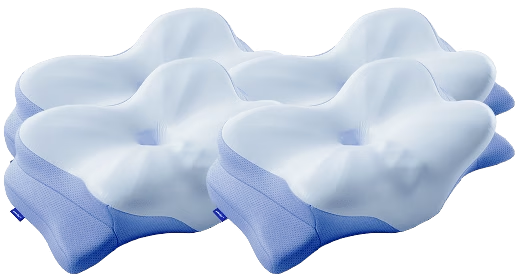
Derila Ergo is a premium orthopedic memory foam pillow engineered specifically to support the natural alignment of the neck, spine, and shoulders during sleep. Unlike standard flat pillows that collapse overnight and leave your spine unsupported, Derila Ergo features a precisely contoured ergonomic shape that maintains its structure and support throughout the entire night.
Developed with input from sleep science and ergonomics research, Derila Ergo is built for all types of sleepers — whether you sleep on your back, side, or stomach. Its high-density memory foam core gently molds to the unique contours of your head, neck, and shoulders the moment you lay down, distributing pressure evenly and keeping your cervical spine in its natural, healthy curve all night long. The result is a dramatically improved sleep experience that goes far beyond simple comfort.
Key Benefits of Derila Ergo
Instant Neck and Shoulder Pain Relief
The most immediate and widely reported benefit of Derila Ergo is the relief it provides from chronic neck and shoulder pain caused by years of poor sleep posture. By cradling the neck at the correct ergonomic angle and supporting the shoulder zone, it eliminates the pressure points that cause stiffness, soreness, and morning pain — often from the very first night of use.
Proper Spinal Alignment While You Sleep
Poor spinal alignment during sleep is one of the leading causes of chronic back and neck pain, headaches, and even daytime fatigue. Derila Ergo is contoured to maintain the spine’s natural curvature throughout the night, regardless of whether you are a back sleeper, side sleeper, or a combination of both. This cervical support is the cornerstone of what separates it from any ordinary pillow on the market.
Deeper, More Restorative Sleep Quality
When your body is properly supported and free from discomfort, your nervous system can fully relax and enter the deep sleep cycles where true physical restoration and cognitive recovery happen. Users of Derila Ergo consistently report falling asleep faster, staying asleep longer, and waking up genuinely refreshed rather than groggy and stiff — a transformation that compounds positively across every area of daily life.
Reduced Snoring and Improved Breathing
By keeping the head at an optimal elevated angle and maintaining open airway alignment, Derila Ergo can noticeably reduce snoring caused by airway obstruction during sleep. This benefit extends beyond the individual user, as many partners of Derila Ergo users report finally getting a full, uninterrupted night of sleep themselves — making it a win for the entire household.
Thermal Comfort and Temperature Regulation
Overheating during sleep is one of the most common causes of restlessness and nighttime waking. Derila Ergo features a breathable, cooling cover fabric that actively promotes airflow through the pillow, preventing heat buildup and keeping your sleep surface at a consistently comfortable, fresh temperature from dusk until dawn.
Core Features and Key Characteristics
Premium High-Density Adaptive Memory Foam
At the core of Derila Ergo is a high-density adaptive memory foam that responds dynamically to the weight, shape, and warmth of your head and neck. This material conforms precisely to your unique anatomy rather than forcing your body into a fixed shape, ensuring personalized support that no conventional feather or polyester pillow can replicate. It also fully returns to its original shape each morning, maintaining its supportive properties wash after wash and night after night.
Anatomically Contoured Ergonomic Design
The signature feature of Derila Ergo is its carefully engineered contoured profile — featuring a raised support zone for the neck, a recessed cradle for the head, and an extended shoulder-friendly edge. This orthopedic contour design was developed based on ergonomic principles to replicate the ideal sleeping posture recommended by physiotherapists and spinal health specialists, delivering targeted support exactly where your body needs it most.
Hypoallergenic and Antibacterial Materials
Derila Ergo is constructed with hypoallergenic, antibacterial materials throughout, making it a safe and healthy choice for allergy sufferers, people with sensitive skin, and anyone who prioritizes a clean sleeping environment. The removable outer cover is fully machine washable, making maintenance simple and ensuring the pillow stays fresh, hygienic, and inviting night after night.
Universal Compatibility for All Sleeper Types
Whether you are a dedicated back sleeper, a confirmed side sleeper, or someone who switches positions throughout the night, Derila Ergo is engineered to provide consistent, appropriate support in every orientation. Its versatile ergonomic profile adjusts naturally as you move, maintaining proper cervical and spinal alignment no matter how you end up sleeping — eliminating the need for multiple specialized pillows.
Real People, Real Sleep Transformations
“I Woke Up Without Neck Pain for the First Time in Years”
“I have been waking up with a stiff, painful neck almost every single morning for about four years now.
I was skeptical when I ordered Derila Ergo, but honestly, the very first morning I woke up and my neck felt fine — like genuinely fine — I almost cried.
Three months later and the difference is still absolutely remarkable. I cannot imagine sleeping without it now.”
— Catherine M., 47, Illinois
“My Partner Finally Stopped Complaining About My Snoring”
“My wife had been threatening to sleep in the other room because of my snoring for years.
After two weeks with Derila Ergo, she told me the snoring had dropped dramatically.
I am sleeping deeper, she is sleeping better, and we are both actually well-rested for the first time in a long time. Worth every single penny.”
— Brian H., 53, Pennsylvania
“I Stop Tossing and Turning — I Just Actually Sleep Now”
“I used to wake up three or four times a night adjusting my pillow, flipping it over, trying to get comfortable.
With Derila Ergo, I lay down, sink into the perfect position, and that is genuinely it.
I sleep through the night, wake up refreshed, and my chronic shoulder tension has almost completely disappeared. This pillow changed everything.”
— Natalie S., 39, Washington
Who Is Derila Ergo Designed For?
Chronic Neck, Shoulder, and Back Pain Sufferers
Derila Ergo is an especially powerful solution for anyone dealing with persistent neck, shoulder, or upper back pain that worsens overnight. By correcting the root postural cause of this pain — improper spinal alignment during sleep — it addresses the problem at its source rather than simply masking symptoms with pain medication or morning stretching.
Anyone Who Wakes Up Tired Despite Enough Hours of Sleep
If you routinely sleep seven or eight hours yet still wake up feeling unrefreshed, restless, or mentally foggy, the quality of your sleep surface may be the silent culprit. Derila Ergo is specifically engineered to maximize the restorative quality of every hour of sleep — not just the quantity — by ensuring your body and nervous system can fully relax and recover from the moment you close your eyes.
Conclusion: Is Derila Ergo the Sleep Upgrade Your Body Has Been Begging For?
Derila Ergo is not just another pillow — it is a precision-engineered sleep health tool that addresses the fundamental biological need for proper spinal support, pressure relief, and thermal comfort during sleep. With its adaptive memory foam, anatomical ergonomic contour, hypoallergenic construction, and universal compatibility for all sleeping styles, it delivers a genuinely transformative sleep experience that ordinary pillows simply cannot provide. If you are tired of waking up in pain, feeling unrested, or disrupting your partner’s sleep, Derila Ergo represents one of the most impactful and accessible investments you can make in your long-term health, daily energy, and overall quality of life. Your best night of sleep may be just one pillow away.
Click Here To Discover Derila Ergo Today